How a Single Jurisdiction Line Changed the Entire Design
The ordinance that governs your parcel determines what you can build — not the ordinance your neighbor is under.
I'm Joseph Sheiner. I've been managing ADU projects across San Diego since 2012, and one scenario comes up more than any other: a homeowner arrives with a design roughed out before anyone verified which jurisdiction applied to their parcel.
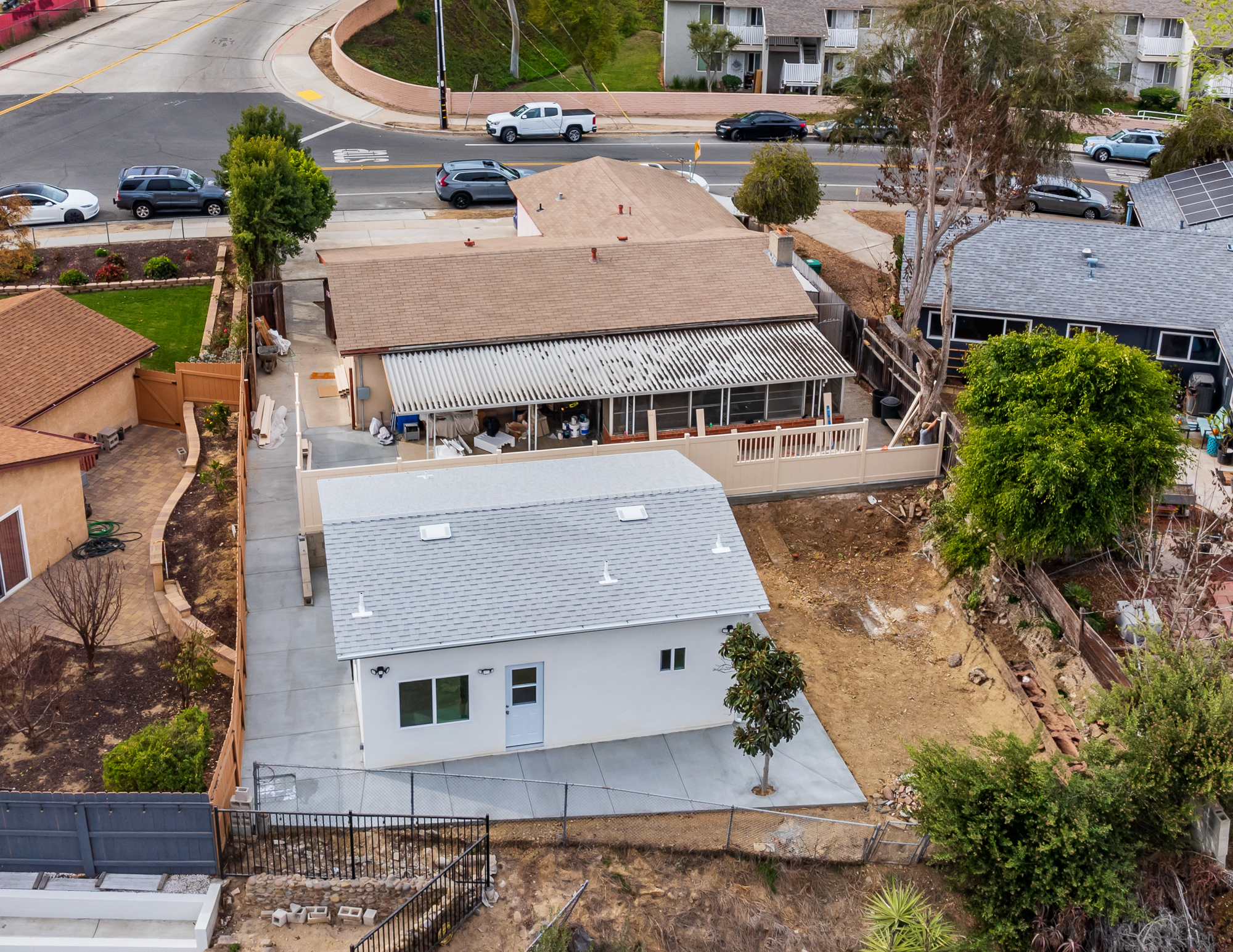
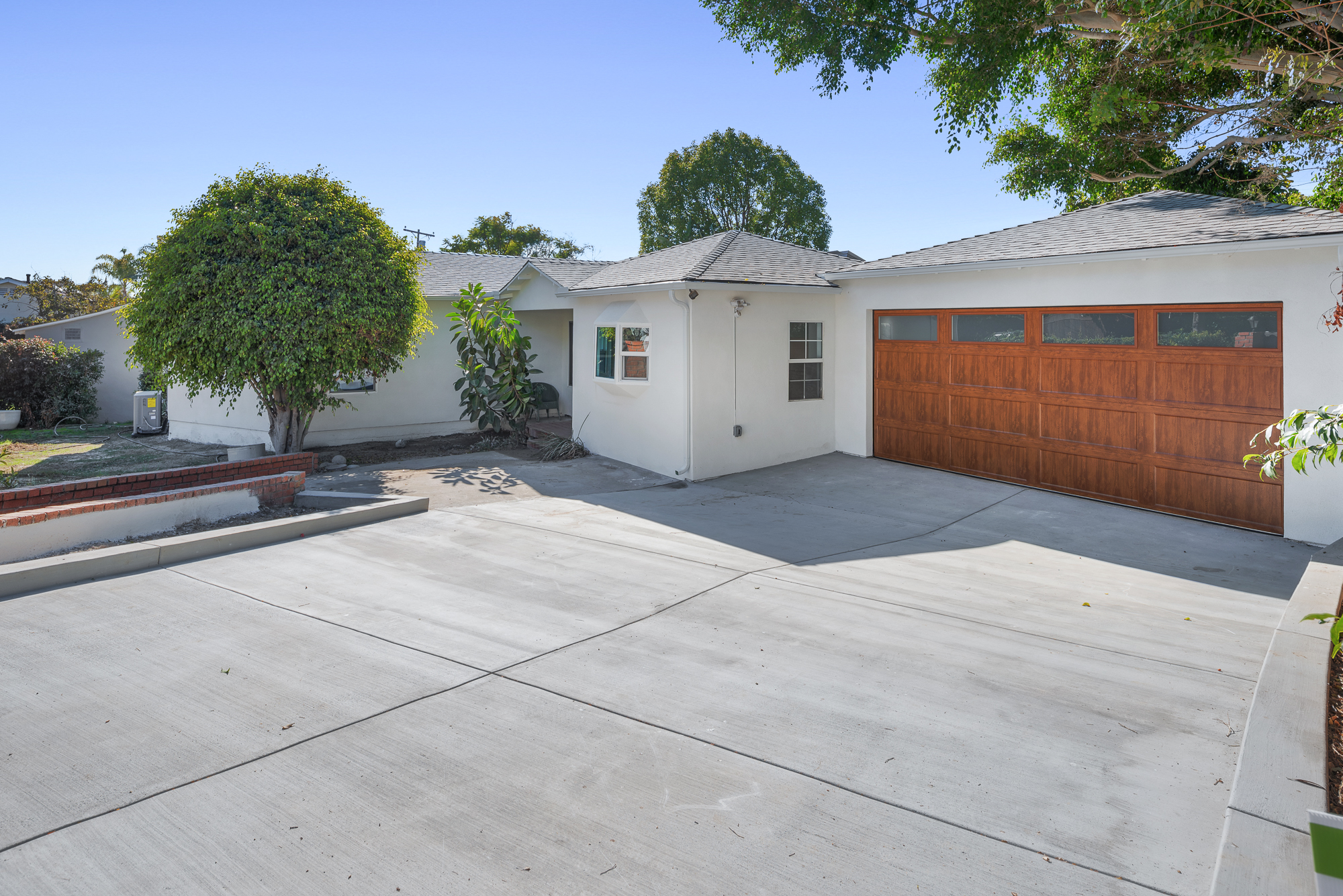
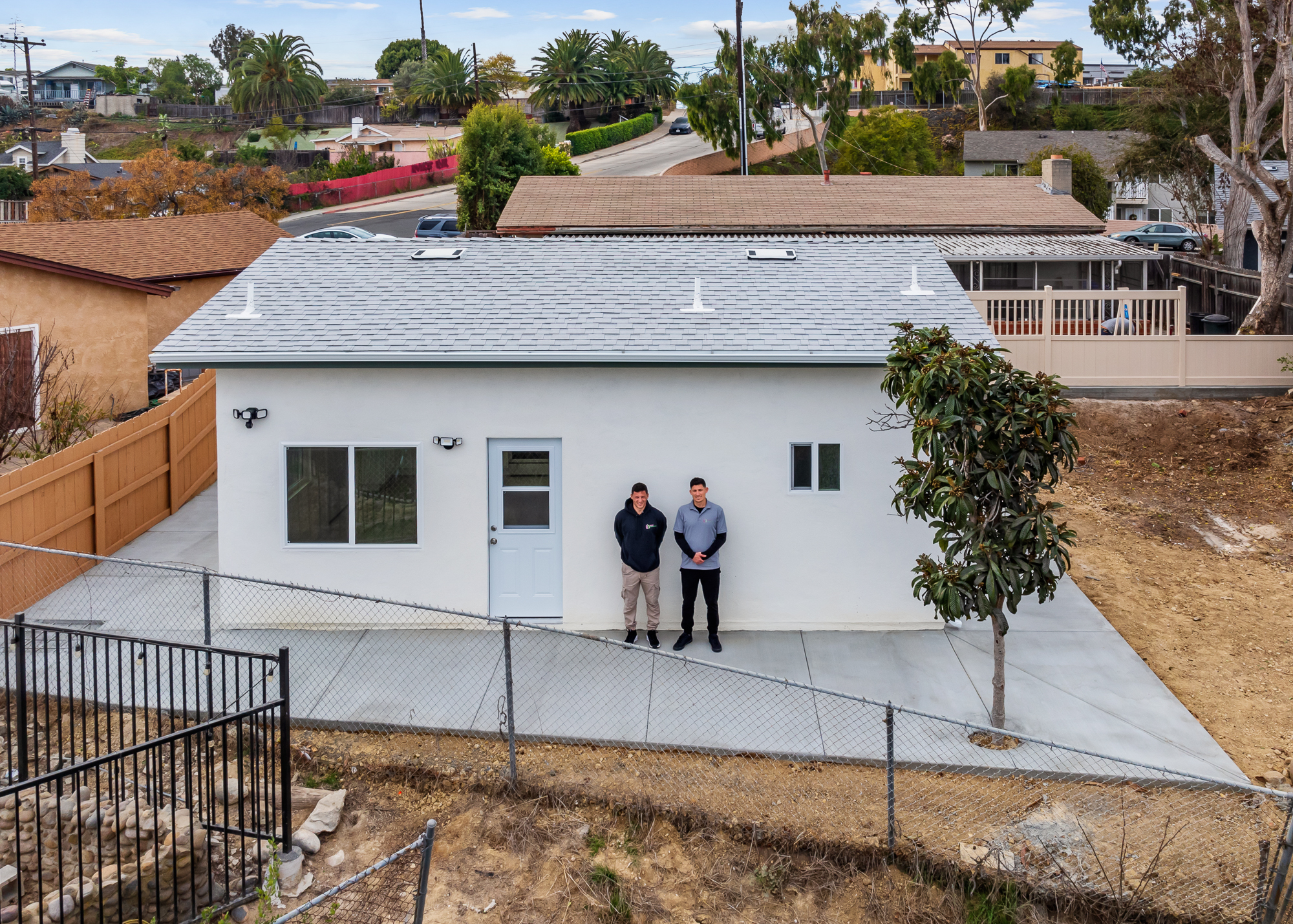
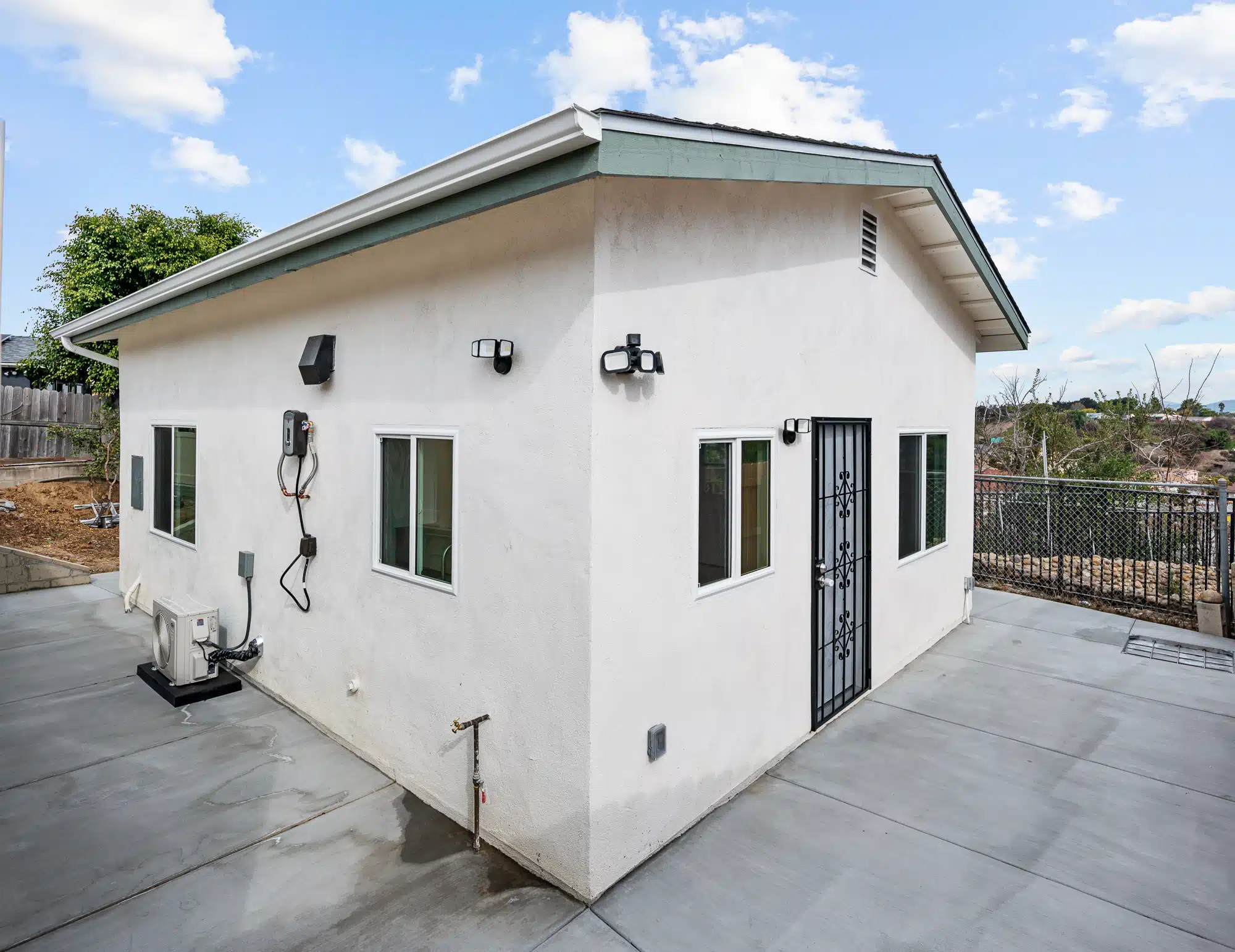
One project that stays with me started in a neighborhood sitting right on the boundary between City of San Diego territory and unincorporated county land. The homeowner wanted a detached ADU in the back of their lot. Their neighbor had just finished a 900 sq ft unit with what looked like minimal setback from the rear fence. The homeowner assumed the same rules applied to their property.
They didn't.
Their parcel sat inside the City of San Diego. Their neighbor was in unincorporated county. The City's ADU ordinance — Municipal Ordinance MO-21-0001, San Diego's comprehensive ADU framework enacted in 2021 — applied to their lot. The county's ordinance, administered through a separate DSD process entirely, governed the neighbor's.
Before any drawings were produced, I pulled the parcel data and confirmed jurisdiction. The City rules allowed the unit they wanted — but the setback configuration and utility connection requirements differed from what they'd been planning around. We adjusted the placement before a single drawing was committed. The permit went in clean. The unit was approved through the ministerial review process — the non-discretionary track California state law requires for qualifying ADU applications — without a correction cycle.
That's what ordinance verification before design actually buys you. Not just confidence. A permit that moves.